

Wish You Were Here takes place from 1978 to 1991; playwright Sanaz Toossi keeps her focus on the texture of the lives of her characters, setting her play at various living rooms around Karaj, where her own parents emigrated from. This timeline offers a picture of the events on the streets of Karaj, in Tehran 30 miles away, and across Iran.
By 1978, Iran’s monarch, Shah Mohammed Reza Pahlavi, had been in power since 1941, when invading British and Russian forces forced his father, Shah Reza Pahlavi, to abdicate and installed his son, 22 year-old Mohammed Reza Pahlavi, as a figurehead during the war-time occupation of Iran—which saw Iranian oil shipped into Russia to aid its war effort.
In the wake of the occupation, political parties began to take shape. By 1951, amid anger at foreign influence on Iranian politics, Mohammad Mosaddegh was elected Prime Minster largely on the popularity of his proposal to nationalize the British-owned Anglo-Iranian Oil Company (now known as BP). The Shah confirmed the election.
In response, the CIA and Britain’s MI6 backed a 1953 coup against Mosaddegh, whom they painted as a communist sympathizer, and reinstalled Pahlavi as the sole political leader in Iran in return for an oil-sharing deal with US and UK companies. (More information on the WWII occupation of Iran and the 1953 US-backed coup.)
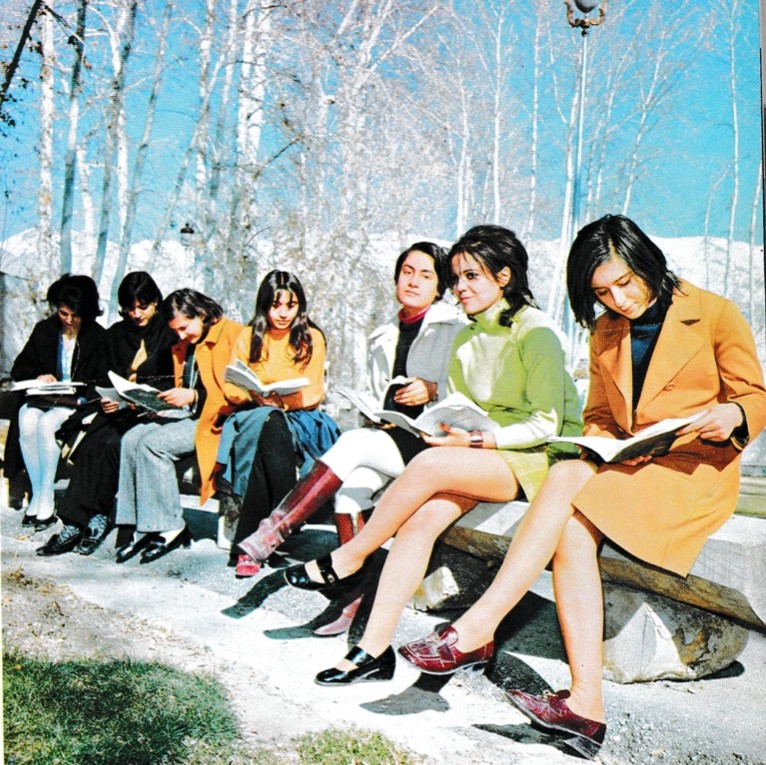
From 1953-1978, the Shah instituted a rapid modernization and Westernization program, which created massive wealth for the Shah and a sliver of urban society but progressively alienated rural and clerical populations. Islamic cleric Ruhollah Khomeini was a vocal critic of these programs and was exiled by the Shah in 1964. Khomeini’s supporters smuggled his anti-Shah / anti-Western sermons back into Iran throughout the 1970s.
Pahlavi’s government cracked down on secular protest as well; opposition parties were largely outlawed and SAVAK—the Shah’s secret police—surveilled, detained, and tortured any perceived rivals.
By the beginning of Wish You Were Here, oil prices have risen and inflation contributes to a cost-of-living crisis across Iran. In October 1977, religious and secular factions join protests of the repression and economic corruption of the Shah’s government, culminating in nationwide protests and civil disobedience.
Protests intensify throughout 1978, beginning in January after the Shah’s forces open fire on seminary students protesting an anti-Khomeini opinion piece; violence continues on the 40-day commemorations of their deaths through the summer.
In August, Islamic militants set fire to a cinema in the southern city of Abadan, killing hundreds of moviegoers; both Pahlavi’s forces and the religious opposition are blamed for the arson. The fire galvanizes public opposition to the Shah’s rule.
The Shah’s regime imposes martial law; his troops fire on demonstrators. Government workers go on strike as hundreds of thousands of protestors take to the streets in December.
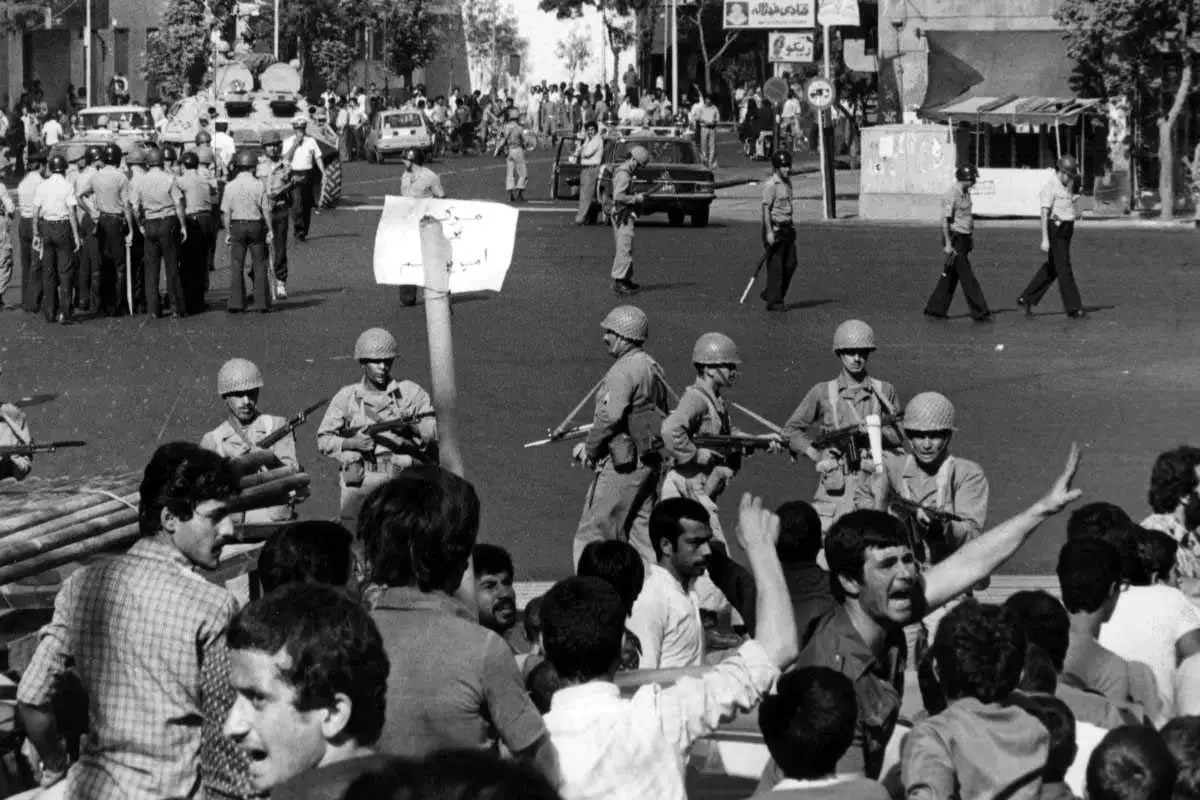
Facing popular unrest, the Shah leaves Iran in January.
Khomeini returns to Iran in February, leading to the final overthrow of Pahlavi’s caretaker government.
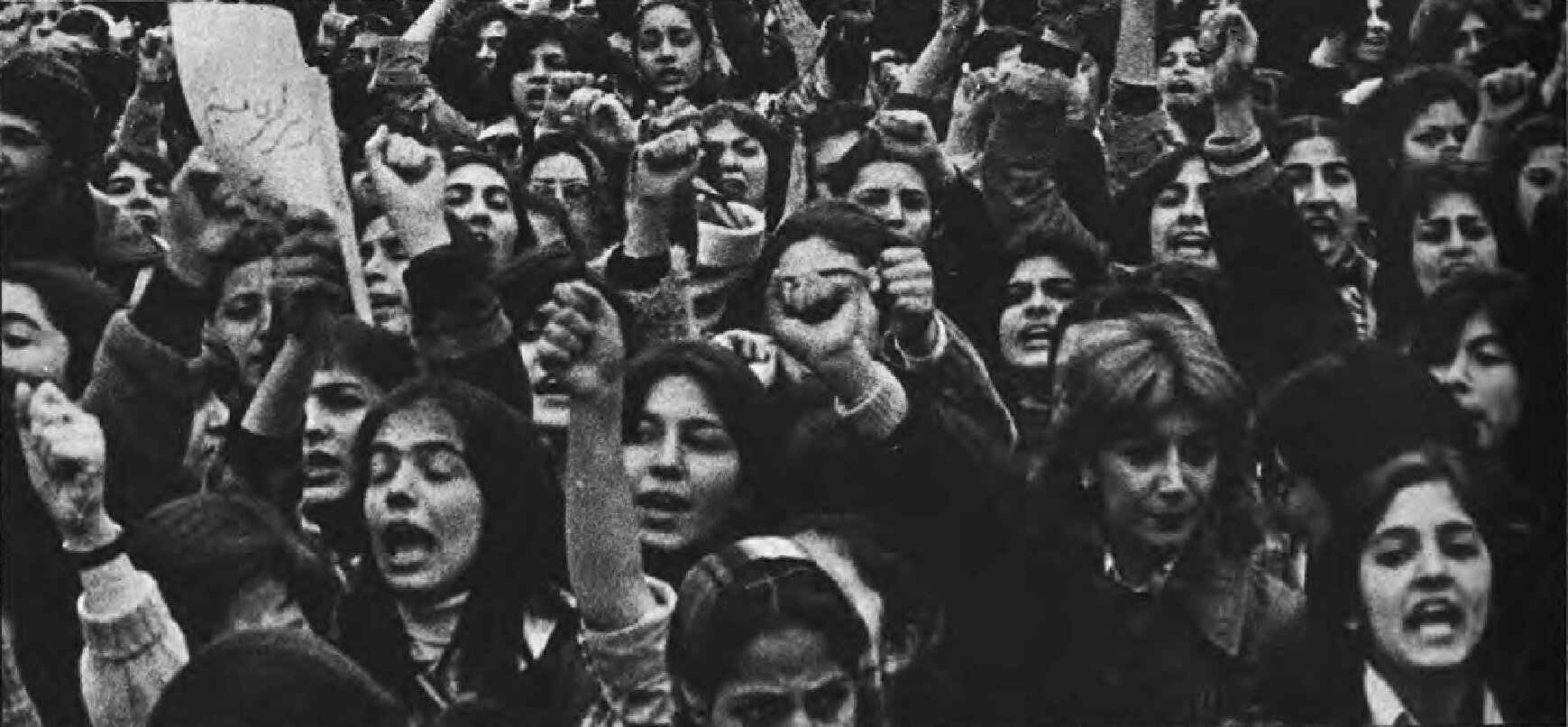
In March, tens of thousands of women protest mandatory veiling from Khomeini’s provisional government; two weeks later, Iran holds a referendum on creating an Islamic Republic, which receives more than 98% of voters’ support (there are no alternatives on the ballot).
In November, the US allows the Shah into the country for medical treatment; two weeks later, Islamist student protestors overrun the US Embassy in Tehran and take Embassy workers hostage.
In December, the new Constitution is approved, installing Khomeini as the Supreme Leader of the theocratic Islamic Republic of Iran. Women lose many of their rights to divorce, child custody, and inheritance. The new government also mandates veiling for women and outlaws Western music.
The Islamic Republic holds 52 Americans from the US Embassy hostage throughout 1980.
In June, the government closes all universities as part of the Cultural Revolution (1980-1983). The goal is to purge Iran’s educational system of foreign influences and enforce their “Islamic atmosphere.”
On September 22, Iraqi president Saddam Hussein orders forces to invade western Iran along 400 miles of their shared border, alongside an offensive against ten of Iran’s airfields, beginning the Iran-Iraq War.
The Iran-Iraq War will last for eight years, claiming roughly one million casualties. The war allows Iran’s clerical government to rally the population around a patriotic defense of the nation, suppress internal dissent, and solidify its grip on power. The conflict, which Khomeini famously described as a “divine blessing,” is instrumental in forging the religious identity and institutions of the new revolutionary state.
On January 20, Khomeini approves the release of the American hostages in exchange for the return of $7.9 billion in assets frozen by the US.
The Islamic Republic formally establishes the Revolutionary Guard, who increase domestic surveillance and state-sponsored violence against political dissidents.
Iraqi forces continue air raids against Iranian cities, which establish underground shelters. Blackouts are common.
Iranian forces push the Iraqi army back to their borders; Iraq offers a peace deal, which Khomeini rejects. This begins a six-year near stalemate as Iranian forces try to take Iraqi territory.
Newly “Islamized” universities re-open across Iran.
The Komiteh, a precursor to today’s ‘morality police’, cracks down on Western influences in Iranian daily life, policing so-called “bad hejabi”, women’s use of cosmetics, and liquor or Western music at private parties. Despite these pressures, many women return to university and join or remain in the workforce.
Inflation remains high throughout the war; legal migration is difficult. Still, 75% of Iran’s Jewish population from 1978 have left by 1985; at least 200,000 Iranians move to the United States between 1978 and 1985.
In 1986, Iran conscripts about two million of its civil servants into military service.
In July 1987, the UN Security Council calls for ceasefire in the Iran-Iraq war; Iran accepts in July 1988. The war remains one of the deadliest conventional wars in the 20th century, claiming roughly one million lives, and resulting in a return to the prewar borders.
Iran faces immense economic challenges in the aftermath of the ceasefire—devastated infrastructure, dwindling oil revenues, high inflation, and unemployment.
On June 3, 1989, Khomeini passes away and is succeeded by Ali Khamenei. Khomeini’s death deepened political divisions, particularly between Reformists and Principlists / Conservatives.